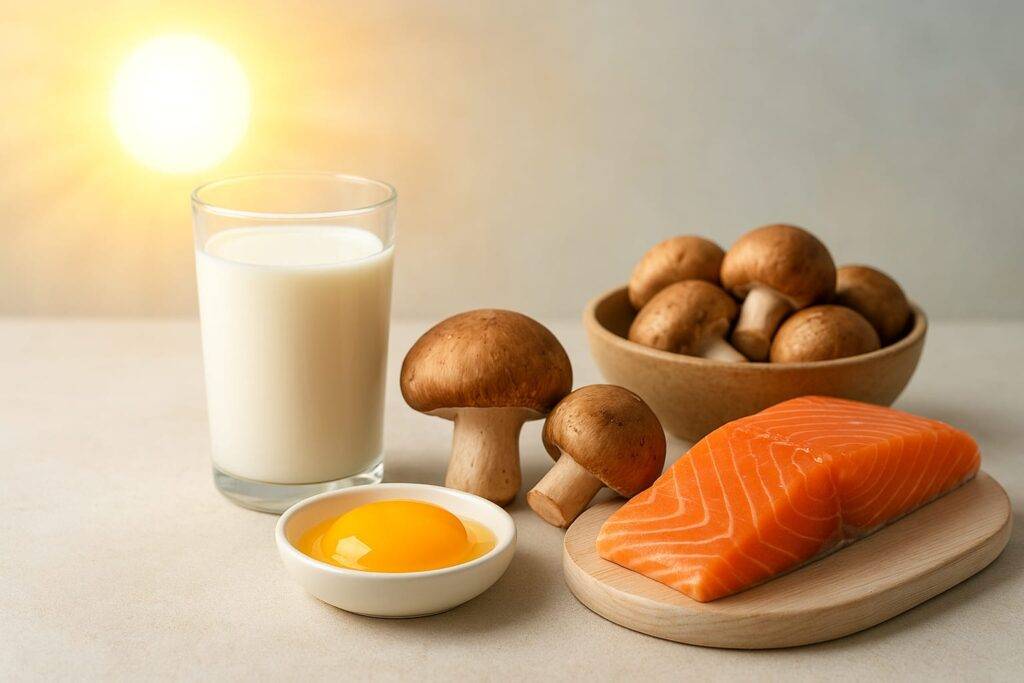
Introduction
Vitamin D, sometimes referred to as the “sunshine vitamin,” is essential for maintaining your body’s strength, equilibrium, and vitality. However, vitamin D deficiency is surprisingly common despite its importance, particularly for people who use a lot of sun protection, live in colder climates, or spend most of their time indoors. For more details and how it supports bone health, visit the NIH fact sheet.
Why It Is Important
Vitamin D helps with more than just bones; it also supports your bone strength and calcium absorption. Mental clarity and mood control Defense of the immune system Gum and tooth health When you don’t get enough of it, your body may be more vulnerable to weakness, inflammation, or disease, and you may feel worn out, achy, or even depressed emotionally.
Many people don’t realize that vitamin D is not just another nutrient you find in food—it is a hormone that your body produces naturally, making it fundamentally different from most other vitamins. It supports bone development, muscle function, brain performance, immune response, and even emotional balance. Without enough vitamin D, your body becomes more prone to bone weakness, inflammation, fatigue, and a weakened immune system.
Because of its broad impact on well-being, understanding natural sources of vitamin D is a powerful step toward improving health. Below, we explore sun exposure, foods, fortified options, and lifestyle habits that help you maintain strong bones and a healthy, energetic body.
Sunlight—Best Source
Sunlight is the most powerful and natural source of vitamin D. When sunlight hits your skin, UVB rays start a biological reaction that produces vitamin D3, which then travels to the liver and kidneys to become the active form your body needs. Getting regular sunlight exposure can quickly boost your vitamin D levels. Just 10 to 30 minutes in the sun, around 3 to 5 times per week, usually between mid-morning and early afternoon, is enough for most people. This is when UVB rays are strongest, allowing your skin to produce vitamin D efficiently.
Unlight: The Greatest Organic Vitamin D Source
Sunlight exposure is the best and most natural way to get your recommended daily intake of vitamin D. Your body creates vitamin D when your skin is exposed to UVB rays. This is a potent process that food and supplements cannot completely replace.
How It Operates
In order to support bone, immune, and brain health, your skin transforms sunlight (UVB radiation) into vitamin D3, which is subsequently processed by your liver and kidneys.
How Much Light Is Necessary?
Usually, 10 to 30 minutes, three to five times a week, is sufficient. The best time is between mid-morning and early afternoon, when UVB rays are at their strongest. Remove your sunscreen and briefly expose your face, arms, and legs. Darker skin tones might require a little more exposure to the sun.
Mushrooms
Among plant-based foods, mushrooms stand out as one of the rare sources of vitamin D. When exposed to sunlight or ultraviolet (UV) light, mushrooms produce vitamin D2 using a process similar to the way human skin produces vitamin D3. Though vitamin D2 is slightly different from D3, it still supports bone strength and calcium absorption. This makes mushrooms an incredible option for vegans, vegetarians, and people who avoid dairy or fish.
A Plant-Based Source of Vitamin D: Mushrooms
One of the few plant-based foods that naturally contains vitamin D is mushrooms, particularly after they have been exposed to UV light or sunlight. Mushrooms are a wise and healthy option for vegans, vegetarians, and people who limit their sun exposure.
How Vitamin D Is Made in Mushrooms
When exposed to UVB rays, mushrooms can produce vitamin D, just like human skin. They contain ergosterol, which is converted into vitamin D2, which promotes bone health and calcium absorption. The Best Vitamin D-Rich Mushrooms: UV-Exposed White Mushrooms Sun-dried portobello mushrooms Maitake mushrooms Shiitake mushrooms (if they are marked as UV-enhanced)
Fortified Cereals & Milk
Milk and fortified cereals are a popular combination that can make a healthy breakfast choice, especially for people who need to consume more of a particular vitamin or mineral. Vitamin D and other nutrients are added to fortified milk, and vitamins and minerals are added to fortified cereals. Potential nutrient deficiencies in calcium, vitamin D, and B vitamins may be addressed with this combination.
Cereals that have had additional vitamins and minerals added during processing are known as fortified cereals. Iron, calcium, vitamin D, and B vitamins are among the nutrients that are frequently fortified. People can meet their daily nutrient needs with the help of fortification.
Vitamin D, which is necessary for calcium absorption, is one of the additional nutrients found in fortified milk. Generally speaking, milk is a good source of protein and calcium. Plant-based or dairy-based fortified milk is available.
Since calcium and vitamin D work together, fortified milk ensures that your bones receive both nutrients in a highly absorbable form. People of all ages, especially children and older adults, can benefit from including fortified foods in their diet, helping them meet daily nutritional needs without drastically changing their eating habits.
Egg Yolks
The nutrient-dense, yellow or orange yolk of an egg is renowned for its flavor and culinary versatility. They are a good source of fat, protein, and a number of different vitamins and minerals. Although they used to be linked to high cholesterol, new research indicates they can be included in a balanced diet.
Fortified foods are another excellent source of vitamin D, especially for people who struggle to get sunlight or do not consume animal products. Fortification means nutrients are added during processing to make a food more nutritious. Many breakfast cereals are fortified with vitamins and minerals like iron, calcium, B vitamins, and, most importantly, vitamin D. Fortified cereals paired with fortified milk create a powerful breakfast combination that supports bone health and energy levels. Milk—both dairy and plant-based varieties such as almond milk, soy milk, oat milk, and coconut milk—is often fortified with vitamin D to help improve daily intake
Value of Nutrition:
Protein: Compared to egg whites, egg yolks have less protein.
Fat: Both saturated and unsaturated fats are abundant in egg yolks.
Minerals and Vitamins They are a good source of folate, B12, choline, and vitamins A, D, E, and K. Additionally, they contain antioxidants that are good for eye health, such as zeaxanthin and lutein.
Since calcium and vitamin D work together, fortified milk ensures that your bones receive both nutrients in a highly absorbable form. People of all ages, especially children and older adults, can benefit from including fortified foods in their diet, helping them meet daily nutritional needs without drastically changing their eating habits.
Fish Like Salmon
Salmon is similar to a number of fish species in that it has a high oil content and a rich, somewhat “meaty” flavor. Tuna, trout, mackerel, and Arctic char are a few well-liked substitutes. These fish can be prepared similarly to salmon and provide similar nutritional benefits, especially in omega-3 fatty acids.
Here is a closer look at some fish that resemble salmon:
Five of the Healthiest Fish to Consume (and Five to Steer Clear of): Tuna Certain cuts and types of tuna, in particular, can taste and feel somewhat like salmon. Omega-3s are also abundant in it.
Types of Salmon: A Comprehensive Guide to Savory and Sweet Salmon Trout: With minor differences in flavor and texture, rainbow trout and steelhead trout resemble salmon in appearance and flavor profile.
Including eggs in your daily meals is an easy and affordable way to increase vitamin D intake, especially for those who do not eat fish. Eggs also help support brain function, muscle strength, and digestive health. When consumed in moderation, egg yolks fit perfectly into a balanced and nourishing diet.
Fish Like Salmon — One of the Best Dietary Sources
Fatty fish are among the richest natural food sources of vitamin D, making them essential for anyone who wants to strengthen their bones and improve overall health. Salmon is well-known for its high vitamin D content, with wild-caught salmon typically containing more than farmed varieties. Other excellent sources include tuna, mackerel, trout, and Arctic char. These fish are also full of omega-3 fatty acids, which help reduce inflammation, support heart health, improve brain function, and balance hormones.
Tuna offers a taste and texture similar to salmon and is ideal for those looking for affordable alternatives. Rainbow trout and steelhead trout resemble salmon closely in flavor and nutritional value, making them great substitutes as well. Eating fatty fish two to three times per week can significantly improve vitamin D levels while adding delicious variety to your meals. Whether grilled, baked, steamed, or added to salads, these fish are an excellent choice for overall wellness.
Importance of Balance
Along with vitamin D, physical balance plays an important role in building long-term strength and mobility. Good balance helps protect the body from falls, injuries, and joint stress. It improves posture, supports muscle coordination, and helps the body move efficiently during everyday activities like walking, climbing stairs, carrying items, or exercising.
Stability, injury prevention, and general well-being all depend on balance, which affects posture, physical activity, and even mental and emotional well-being. In order to prevent falls, improve posture, and increase movement efficiency, the body must be able to maintain its center of gravity within its base of support.
Explanation:
Prevention of Injuries: Particularly for older adults, having good balance lowers the risk of falls and injuries. By enhancing joint stability and coordination, it also aids in the healing process following injuries.
Physical Activities: Walking, running, and climbing stairs are examples of daily activities that require balance, as are more intricate movements in sports and fitness regimens.
Posture and Alignment: Good posture and body alignment are directly related to balance and can reduce joint and muscle stress.
Find out simple secrets for a healthier life in our latest post
Bone Health: Proven Home Remedies for Strength & Vitality
top 6 Natural ways to increase calcium in your body
Conclusion: Boost Bone Strength
More than just a vitamin, vitamin D is essential for healthy bones, consistent energy, and long-term well-being. You can move, stand, and live stronger every day by providing your body with the nourishment it needs, whether that comes from a healthy diet, a few mindful minutes in the sun, or the appropriate supplement.
Whether you choose to spend a few minutes in the sun, include vitamin D-rich foods in your meals, or combine both approaches, you can dramatically improve your bone health and overall vitality. Even small lifestyle changes—like morning sunlight, weekly fish meals, adding mushrooms to dishes, or choosing fortified milk—can create long-lasting improvements in your health. Vitamin D fuels the body’s strength every single day, and by relying on natural sources, you support a healthier, more active, and more energetic life for the long run.