Introduction
Many of us spend hours sitting at desks, in front of screens, or on our commutes in the current digital era without realizing the negative effects on our health. Over time, a sedentary lifestyle—a prolonged period of inactivity—can subtly raise the risk of major health issues.
A sedentary lifestyle can harm the body and mind in a number of ways, from weight gain and bad posture to heart disease and early fatigue. The good news? You can prevent these impacts and safeguard your long-term health by making minor daily adjustments like taking standing breaks, doing moderate exercise, and practicing mindful movement. Even a small amount of progress makes a big difference because your body was designed to move.
The good news is that small, deliberate changes in daily habits can make a significant difference. By incorporating regular movement breaks, mindful eating, and healthier food choices, office workers can protect both their short-term productivity and long-term well-being. Your body was designed to move, and even modest improvements can have lasting benefits.
Avoid Fast Food Lunch
Fast food appears to be a convenient, affordable, and quick way to deal with a busy schedule. However, it might negatively impact your long-term health, energy, and focus if you make it a part of your daily routine, especially during lunch.
Most fast food meals are heavy in sodium, unhealthy oils, refined carbs, and added sugars. They increase blood sugar, slow down digestion, and often leave you feeling heavy and exhausted just when you need to be alert and productive.
Instead of processed burgers and fries, try these:
A simple lunch prepared at home with rice, veggies, and grilled protein A whole-grain sandwich with lean meat and fresh salad Yogurt, fruits, or nuts as simple sides or snacks.
Over time, reliance on processed meals may contribute to weight gain, poor concentration, and increased risk of chronic health problems. To stay energized and focused, office workers can prepare simple, wholesome alternatives at home.
Options include rice or quinoa bowls with grilled vegetables and protein, whole-grain sandwiches filled with lean meats and fresh salad, or yogurt paired with fruit and nuts. These meals are not only nutrient-rich but also satisfying and easy to bring to the office. Small, consistent choices like these can significantly improve energy levels and concentration throughout the day.
Prepare Simple Healthy Snacks
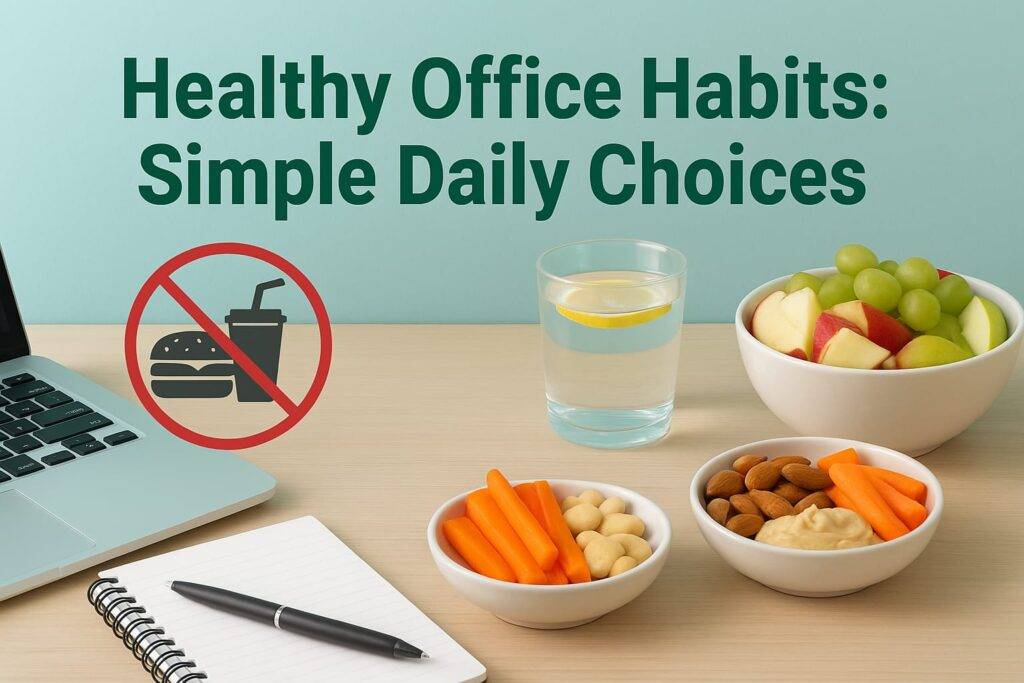
Snacking healthily doesn’t have to be difficult or tedious. Actually, you can stay energized, prevent overeating, and overcome your midday cravings for junk food by making easy, wholesome snacks at home. Consider a handful of nuts, peanut butter-topped fresh fruit slices, seed-topped yogurt, or even homemade veggie sticks with hummus—all of these are delicious, simple to prepare, and portable. You’ll be less likely to reach for cookies, chips, or sugary drinks if you have healthy options on hand. Your body will appreciate it, as will your concentration!
. By preparing snacks in advance, office workers can avoid the temptation of vending machine treats, which often contain empty calories, sugar, and artificial ingredients. Keeping wholesome snacks within reach allows for steady energy levels, improved focus, and better overall nutrition. The key is to make nutritious options convenient so that making healthy choices becomes the default, not the exception.
Drink Water, Not Soda
Even though reaching for a soda might seem cool, it’s actually packed with sugar, artificial chemicals, and empty calories. Regular soda use can lead to weight gain, tooth decay, fatigue, and an increased risk of diabetes and heart disease. On the other hand, water hydrates your body without having any adverse effects, helps with digestion, keeps your skin clear, and naturally boosts your energy levels.
Want a taste? You can add slices of lemon, cucumber, or mint to your water. Simple changes like this can make a big difference in how you feel every day.
Water, on the other hand, hydrates the body without added sugars or chemicals, supports digestion, helps maintain clear skin, and naturally boosts energy levels. For those who find plain water boring, adding slices of lemon, cucumber, or mint can make hydration more enjoyable and flavorful. Drinking water regularly throughout the day also helps prevent midday energy slumps and keeps cognitive performance high. Making water your default beverage is a simple yet impactful way to enhance workplace wellness.
Set Food Reminders
You can use your phone’s built-in calendar or alarm to set food reminders, or you can use specific apps like Google Keep, Ate Food Journal, or meal reminder apps. Chalkboards and sticky notes can also be used to make tangible reminders.
Making use of the built-in capabilities of your phone:
Alarms: To remind yourself to eat, set alarms for particular times.
Calendar: Create events with meal reminders using your calendar app. Make notes in Google Keep that include reminders for meals or particular foods.
Making use of specialized apps:
Ate Food Journal: This app lets you monitor your eating patterns and create personalized meal reminders.
Food Reminder (multiple apps): The Play Store and App Store offer a number of apps made especially for meal reminders, including Food.
Simple strategies include setting alarms for meal times, creating calendar events with notes about healthy foods, or using apps like Ate Food Journal to track eating patterns and schedule reminders. Even low-tech methods, such as sticky notes or chalkboards, can act as visual cues to encourage regular meals and mindful snacking. Setting reminders helps office workers avoid extended periods without food, reduces reliance on unhealthy convenience options, and supports overall nutrition and productivity.
Eat Fruits Midday
In general, eating fruits at any time of day, including midday, is a healthy habit. Fruit can be eaten as a snack or as a component of meals, and there is no particular ideal time to eat it. There isn’t any solid scientific proof to back up the timings that some sources recommend for the best digestion or weight control. Including a range of fruits in your daily diet is crucial.
Here’s a closer look:
Fruits such as apples, berries, grapes, or oranges can provide natural energy, stabilize blood sugar, and improve focus during the workday. They are also rich in antioxidants, which help combat oxidative stress and support overall health. Incorporating fruit into a midday routine ensures a steady source of nutrients, helps prevent sugar cravings, and contributes to a balanced, satisfying diet.
Overall Health: Fruits are a fantastic addition to any meal or snack because they are a great source of vitamins, minerals, and fiber.
No Favorite Time: There is no scientific proof that eating fruit at a certain time of day is better than at another.
Lunchtime Snacking: Fruits can be a great midday snack if you like.
Plan Balanced Meals
Planning meals ahead of time is a powerful strategy for maintaining healthy eating habits in an office environment. Balanced meals should include a combination of lean proteins, whole grains, healthy fats, and plenty of vegetables or fruits. Protein helps sustain energy and supports muscle health, while fiber from whole grains and produce promotes digestive health and keeps you feeling full longer. Healthy fats, such as those found in nuts, seeds, and avocados, support brain function and overall well-being.
Examples of balanced office meals include grain bowls with grilled chicken and roasted vegetables, salads with beans and leafy greens, or whole-grain wraps filled with lean proteins and colorful vegetables. Consistent meal planning reduces dependence on processed foods and helps maintain focus and energy levels throughout the day.
Incorporate Brain-Boosting Foods
Certain foods can specifically enhance cognitive function, memory, and focus—critical for office productivity. Blueberries, dark chocolate, eggs, leafy greens, and green tea are examples of brain-boosting foods that support mental clarity. Blueberries provide antioxidants that protect neurons and reduce inflammation, while dark chocolate may increase blood flow to the brain and improve concentration.
Eggs are rich in choline, a nutrient essential for memory and neurotransmitter function, and leafy greens supply vitamins and minerals that help maintain cognitive health. Green tea provides a gentle caffeine boost combined with L-theanine, which enhances alertness without the crash associated with coffee. Including these foods in meals or snacks can improve focus, reduce mental fatigue, and enhance performance during long office hours.
Manage Caffeine and Sugar Intake
While caffeine can be useful for short-term alertness, excessive consumption may cause jitters, anxiety, or disrupt sleep patterns, all of which negatively affect productivity. Similarly, foods high in refined sugar can lead to energy spikes followed by crashes, making focus and mood unstable.
Office workers should aim to consume caffeine and sugary treats in moderation. Combining caffeine with balanced meals or snacks, choosing green tea over high-sugar beverages, and relying on natural sources of sweetness such as fruit can provide steady energy without negative side effects. Being mindful of these substances allows workers to maintain consistent energy and optimal mental performance throughout the day.
Practice Mindful Eating
Eating while multitasking is common in office settings, but it often leads to overeating, poor digestion, and reduced enjoyment of food. Mindful eating involves paying attention to your meals, savoring each bite, chewing thoroughly, and recognizing hunger and fullness cues.
Even a few minutes of focused eating without screens or distractions can improve digestion, help regulate portion sizes, and increase overall satisfaction. Mindful eating also allows workers to better notice how different foods affect their energy and focus, supporting informed choices and healthier habits over time.
Healthy Eating Habits for Office Workers
5 Foods That Help You Stay Focused
Are Dry Fruits Really Healthy? Truth Revealed
Boost Immunity Naturally in 2025—Top Proven Tips
Conclusion: Office Can Be Healthy Too
Your health doesn’t have to suffer because of a hectic workday. You can maintain your productivity while supporting your body by making a few easy changes, such as drinking more water, avoiding fast food lunches, eating fruit midday, and setting gentle food reminders.
Little things have a big impact, even in desk jobs. Give your body and mind the attention they require by stretching occasionally, taking short walks during breaks, and keeping wholesome snacks close at hand.
Healthy habits can develop in your office in a quiet, organic, and consistent way. It’s not just a place where deadlines must be met. Because looking after yourself at work is a wise and effective decision, not a luxury.
Pairing these habits with short movement breaks, stretching, or brief walks during the day further enhances overall well-being. Healthy routines in the office can develop quietly, consistently, and effectively, transforming the workplace from a source of stress into a space that supports physical and mental health. Looking after yourself at work is not a luxury; it is a smart and practical choice that benefits both your body and mind. By integrating these simple strategies, office workers can thrive in their careers while maintaining vitality, focus, and lasting health.