Introduction
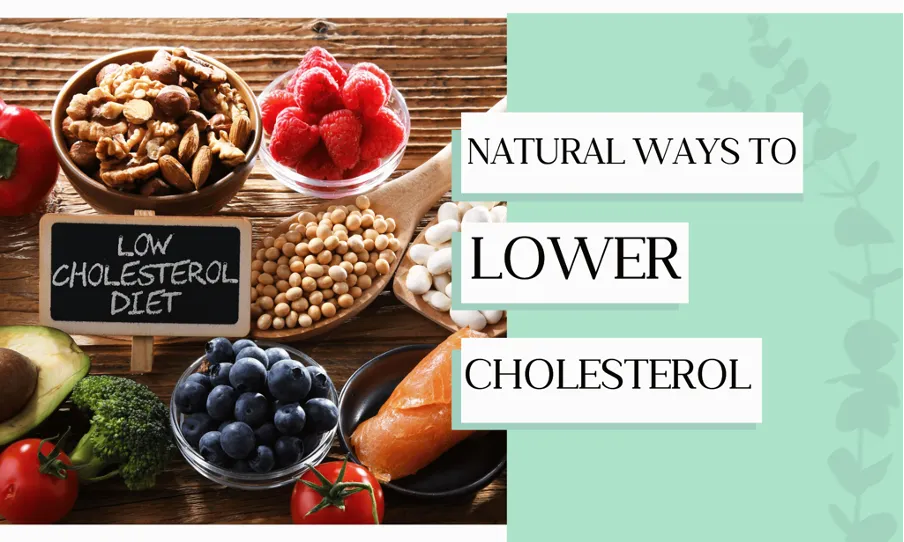
High cholesterol is a significant risk factor for heart disease and stroke, though it is often reasonably handled via natural lifestyle modifications before indicating medication. When one embraces a heart-healthy eating pattern that focuses on soluble fiber and healthy fat, increases activity levels, quits smoking, and manages stress, there is a good chance he/she will then enhance their lipid profile and reduce his/herrisk for cardiovascular disease.
Natural approaches work best in helping the body lower “bad” low-density lipoprotein (LDL) cholesterol, raise “good” high-density lipoprotein (HDL) cholesterol, and lower triglycerides, providing an effective, available method for long-term health of the heart.
The good news is that medication is not necessary for many effective strategies, which is important for heart protection and maintaining healthy cholesterol levels. By making minor lifestyle adjustments like eating a different diet, exercising more, managing your stress, and developing heart-healthy habits, you can help your body’s natural ability to balance cholesterol. Because they improve overall health in addition to lowering cholesterol, these natural approaches are a powerful first step toward long-term heart health.
Eat Fiber-Rich Foods
Consuming fiber-rich foods is an important natural way to manage cholesterol without the use of medications, because they lower “bad” low-density lipoprotein (LDL) cholesterol. After mentioning the benefits of soluble fiber (found in foods like oatmeal, beans, apples, etc.), Mayo Clinic Soluble fiber—found in foods like oatmeal, beans, apples, and Brussels sprouts—forms a gel in the digestive tract to bind with both cholesterol and its precursors so it can be excreted from the body before it enters the bloodstream.
This process can reduce the amount of cholesterol produced by your liver, and the amount of cholesterol that will circulate in your body. To attain the cholesterol-lowering effects outlined above, nutritionists usually recommend achieving a total daily fiber intake of at least 25–38 grams, with a good portion coming from soluble sources.
One of the best natural ways to lower your cholesterol is to eat more foods high in fiber. Foods like oats, beans, lentils, apples, berries, and chia seeds contain soluble fiber, which functions as a sponge in your digestive tract to absorb excess cholesterol and assist your body in eliminating it before it reaches your bloodstream.
Just a few servings of high-fiber foods per day can help maintain a healthy digestive system, reduce LDL (“bad”) cholesterol, and prolong feelings of fullness. Including fiber in your meals on a regular basis gives your heart a small but effective boost.
Avoid Trans Fats and Processed Foods
Steering clear of trans fats and highly processed foods is one of the steps to help you naturally manage your cholesterol. Trans fats (which are often present in fried foods, prepackaged snacks, baked products, and some margarine) will elevate your LDL (“bad”) cholesterol while reducing your HDL (“good”) cholesterol, setting the stage for an unhealthy imbalance that increases your risk of heart disease.
Foods that are processed are typically full of refined oils, added sugars, and preservatives that agitate inflammation and contribute to poor heart health as well.
You can make a great impact on your cholesterol and overall wellness by eating whole, minimally processed foods and inspecting for “partially hydrogenated oils” on product ingredient labels.
Include Healthy Fats in Diet
You can lower your cholesterol and promote heart health by including healthy fats in your diet. Unsaturated fats, which are present in foods like avocados, nuts, seeds, olive oil, and fatty fish like mackerel and salmon, help raise HDL (or “good”) cholesterol while lowering LDL (or “bad”) cholesterol.
Additionally, these fats promote healthy blood vessels and lessen inflammation. It’s easy to make a big difference by substituting these heart-healthy options for processed or saturated fats. Moderate consumption of healthy fats nourishes your body and naturally improves cholesterol balance.
Exercise at Least 30 Minutes Daily
Being active for at least 30 minutes every day is among the best natural methods to enhance your cholesterol and benefit your heart. Exercise regularly raises HDL (“good”) cholesterol, which helps remove excess LDL (“bad”) cholesterol from the bloodstream. Activities such as walking briskly, riding a bike, , or dancing can all help your cholesterol, but it is important to stick to these activities regularly.
Exercise can also support healthy weight management, improvement of circulation, and reduction of stress, which all help your heart. You don’t have to engage in a strong workout; even using moderate activity is beneficial over time. When you plan to exercise daily, your body will have a tremendous natural factor to develop healthier cholesterol and well-being overall.
Quit Smoking and Alcohol
By quitting smoking and reducing alcohol consumption, you take two of the most effective steps to improve your cholesterol levels naturally and protect your heart. Tobacco is bad for your heart because it lowers HDL cholesterol, the “good” cholesterol, and causes damage to blood vessels and arteries, making it easier for plaque to accumulate. Upon quitting tobacco, HDL will begin to increase while circulation and lung function will improve significantly and quickly.
Alcohol, when consumed in excess, can also raise triglycerides and lead to weight gain due to the excess calories, which means it is not helpful for cholesterol either. By cutting back on or stopping smoking and drinking alcohol, you will lower inflammation, support a favorable cholesterol balance, and decrease your heart disease risk. Quitting tobacco and lowering alcohol intake may be a challenge, but the rewards for your heart and quality of life are worth every bit of effort.
Drink Green Tea Regularly
Regularly drinking green tea is a simple and natural way to help you achieve healthier cholesterol levels. The powerhouse of green tea is its antioxidant content—particularly catechins—which are known to lower LDL (“bad”) cholesterol and help to protect your blood vessels from oxidative damage. These antioxidants may also help with metabolism and support healthy weight management, both of which support better heart health.
Consuming one to three cups of green tea each day can have a cumulative effect on your heart health without the added sugar or calories. Green tea, whether served hot or cold, is a soothing and heart-healthy alternative to sugary beverages. By incorporating it into your routine, you give your body an easy, natural boost to help sustain balanced cholesterol levels.
Maintain Healthy Weight
One of the best ways to naturally control cholesterol levels and safeguard your heart is to maintain a healthy weight. Excess body fat can lower HDL (or “good”) cholesterol while increasing LDL (or “bad”) cholesterol and triglycerides, particularly around the abdomen. You can lower your risk of heart disease and improve your cholesterol profile by achieving and maintaining a healthy weight through mindful lifestyle choices, regular exercise, and balanced eating.
Lowering cholesterol and enhancing general health can be achieved with even a small weight loss of 5–10% of body weight. You can promote long-term heart health while increasing vitality and well-being by emphasizing sustainable habits over temporary solutions.
One of the most effective natural strategies to control cholesterol and lower cardiovascular risk is to maintain a healthy weight. The body’s ability to regulate cholesterol and triglycerides is impacted by excess body weight, especially around the midsection (abdominal fat). Your lipid profile can significantly improve if you lose weight.
Here’s another article you may find useful:
Top 7 Fruits That Boost Your Immune System
Are Dry Fruits Really Healthy? Truth Revealed
Daily Routine for Full Body Wellness
Heart Health: 6 Best Morning Habits to Start Your Day Right
Conclusion
Managing cholesterol doesn’t always require medication—simple lifestyle changes can make a significant difference. Your body can naturally balance cholesterol if you eat foods high in fiber, including healthy fats, exercise frequently, maintain a healthy weight, avoid processed foods and trans fats, stop smoking, drink less alcohol, and drink heart-healthy drinks like green tea.
These practices improve your general health, vitality, and well-being in addition to lowering your cholesterol. You can take charge of your heart health and lower your risk of cardiovascular disease naturally by making small, regular changes that will last.