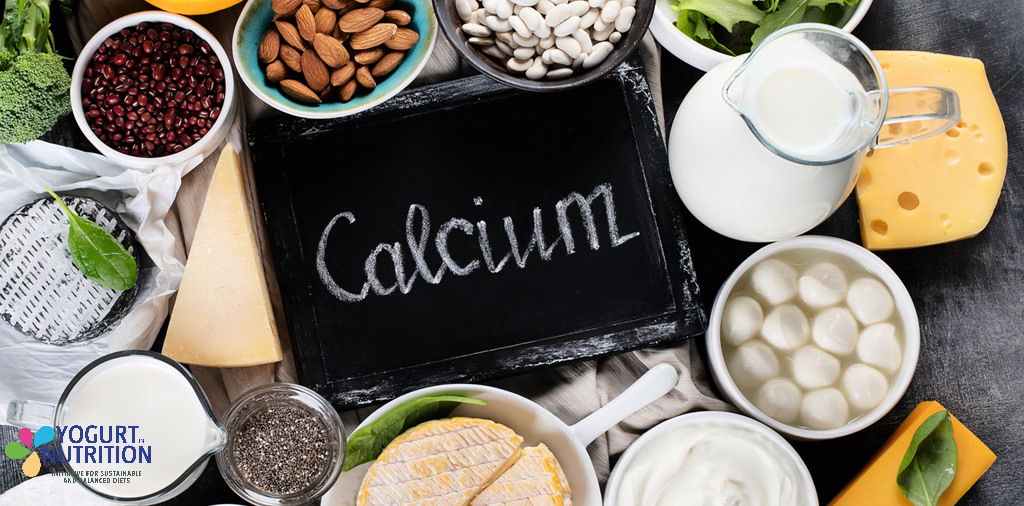
Introduction: Importance of Calcium
Although strengthening our bones and teeth is the most well-known function of calcium, it has many other uses as well. It is crucial that the body function correctly each and every day. For instance, it facilitates blood clotting when necessary, nerve signaling, and muscle movement. It’s interesting to note that 99% of the calcium in the body, which gives them strength and structure, is found in bones and teeth. Important internal procedures require the remaining 1%. Here are some natural methods and practices that can help you safely and effectively increase your calcium levels.
Calcium is essential for bone health; you can learn more from this helpful overview by the National Institutes of Health (NIH) about dietary calcium sources.”
Dairy Products
Milk is a classic source of calcium, and a cup of it gives you a lot of what you need every day. Yogurt is another great source, and it often has probiotics in it as well. Cheese: Cheese Different kinds of cheese, especially hard cheeses, can be good sources of calcium.
Broccoli has a lot of calcium in it, and the body can easily absorb it.
Bok Choy: Bok choy is a type of Chinese cabbage that is also high in calcium.
Other Foods: Sardines and salmon (canned with bones) are great sources of calcium.
Fortified foods: Calcium is added to a lot of soy products, cereals, fruit juices, and milk substitutes.
Almonds, chia seeds, and sesame seeds are all good sources of nuts and seeds.
Leafy Greens
Some kinds of leafy greens have more calcium per serving than milk, making them a great source of calcium. Kale, collard greens, and spinach are some examples (but spinach doesn’t absorb calcium as well because it has oxalates). Arugula, watercress, and bok choy are other leafy greens that are high in calcium.
Kale: There are about 139 mg of calcium in 100 g of kale. It has even more absorbable calcium than milk.
Collard Greens: A cup of cooked collard greens is a very good source of calcium, containing about 268 mg.
Although spinach contains a lot of calcium, it also contains a lot of oxalates, which can make it harder for the body to absorb calcium. It is still a healthy option, though, and can help you meet your daily calcium requirements.
Other choices: Other foods high in calcium include bok choy, watercress, and arugula.
Nuts & Seeds
Numerous seeds and nuts are great sources of calcium. According to several health sources, almonds, sesame seeds, and chia seeds are especially high in calcium and are therefore beneficial additions to a diet rich in calcium. Almonds have a high calcium content of roughly 260 mg per 100 g. They also provide vitamin E, fiber, and good fats. Walnuts are high in fiber and omega-3 fatty acids and a good source of calcium. Another excellent source of calcium is Brazil nuts.
Numerous health sources claim that hazelnuts are also a source of calcium. Cashews: Rich in protein, fiber, and good fats, they also contain calcium. Pistachios: Rich in protein and antioxidants, they also contain calcium.
Fish with Bones
Fish with Consumable Bones as a Source of Calcium: Among the best natural sources of calcium are canned salmon, sardines, and anchovies. Their soft, edible bones contain high amounts of bioavailable calcium, which supports overall skeletal health and bone strength. These fish also provide vitamin D and omega-3 fatty acids, which enhance calcium absorption and have other health benefits. Including such fish in the diet is a practical and effective way to prevent calcium deficiency, especially in populations with low dairy intake.
Sunlight and Vitamin D
Sunlight Exposure: Sunlight exposure, particularly UVB rays, is the main natural source of vitamin D.
The Function of Vitamin D: Vitamin D is an essential component of bone health because it helps the intestines absorb calcium.
Deficiency: Insufficient vitamin D can result in decreased calcium absorption, which may cause adult osteomalacia and childhood rickets.
Changes in Lifestyle:
Dietary Modifications:
Foods High in Calcium: Include in your diet items such as dairy products (milk, cheese, yogurt), leafy greens (kale, broccoli), fortified plant-based milks, tofu, and some fish.
Egg yolks, fortified foods, and fatty fish (tuna, salmon) are good sources of vitamin D.
Limit Oxalates: Foods high in oxalates, such as spinach and rhubarb, should be avoided, as they may hinder the absorption of calcium.
Regular Exercise: Activities including weight bearing, such as jogging, walking, and strength training, can enhance calcium retention and strength. In short, increasing calcium levels requires a mix of getting enough sunlight to produce vitamin D, altering one’s diet to include foods high in calcium and vitamin D, exercising frequently, and possibly thinking about taking supplements under a doctor’s supervision.
The limit Caffeine and Alcohol: Too much caffeine and alcohol may damage bone health and calcium absorption.
Supplementation: Take into consideration vitamin D and calcium supplements if your diet or exposure to sunlight is inadequate, but speak with a healthcare provider to find out the right dosages.
You might also be interested in reading
Best 5 proven Fruits for Healthy Teeth and Gums
Natural Sources of Vitamin D for Strong Bones
Surprising Benefits of Drinking Warm Water
Bone Health: Proven Home Remedies for Strength & Vitality
Conclusion:
In summary, raising the body’s calcium levels necessitates a multimodal strategy. This entails getting enough sunlight to produce vitamin D, changing one’s diet to include foods high in calcium and vitamin D, exercising frequently to improve bone strength and calcium retention, and, if required, taking supplements under a doctor’s supervision. Caffeine, alcohol, and foods high in oxalate should be avoided if you want to promote calcium absorption and bone health in general. People can safely and effectively raise their calcium levels for better bone and general body health by implementing these natural techniques and practices.
Frequently Asked Questions (FAQs)
Why is calcium important for our body?
Calcium plays a vital role in building and maintaining strong bones and teeth. It also supports muscle function, nerve transmission, blood clotting, and heart rhythm regulation. About 99% of the body’s calcium is stored in the bones and teeth, while the rest helps carry out essential bodily functions.
Can I get enough calcium without dairy products?
Yes. You can get calcium from leafy green vegetables, fortified plant-based milks, nuts (like almonds), seeds (like chia and sesame), and fish with edible bones (like sardines and canned salmon).
How does sunlight help with calcium absorption?
Sunlight helps your body produce vitamin D, which is necessary for absorbing calcium effectively from the foods you eat. Without enough vitamin D, calcium absorption decreases, leading to weak bones over time.
What lifestyle changes improve calcium absorption?
Spending time in sunlight, exercising regularly, reducing caffeine and alcohol intake, and avoiding smoking can all improve calcium absorption and bone health.
Should I take calcium supplements?
Supplements may be helpful if you can’t meet your calcium needs through diet alone, but they should only be taken under the guidance of a healthcare professional to avoid overconsumption or side effects.